

Last updated: September 2026 – checked against the national Vehicle Scrapping Policy and the rules for Registered Vehicle Scrapping Facilities. Incentives vary by state, so confirm current rates with your state transport department.
India’s Vehicle Scrapping Policy gives owners an official, traceable way to retire old vehicles, and rewards them with tax benefits when they buy a new one. Scrapping through the proper channel also removes the vehicle from your name on the Vahan database, so you can’t be held responsible for it later. This guide explains who can scrap a vehicle, how the process works, the documents you need, and the incentives available.
How the Vehicle Scrapping Policy Works
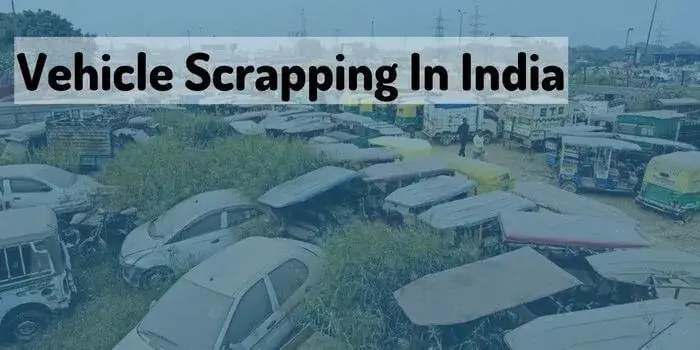
Under the policy, vehicles are scrapped only at a Registered Vehicle Scrapping Facility (RVSF), a centre authorised by the government to dismantle vehicles safely, recover materials, and dispose of hazardous parts such as batteries, oils and airbags properly. The RVSF also updates the Vahan record so the registration is cancelled. Scrapping a vehicle anywhere else, such as a local kabadi or scrap dealer, leaves it registered in your name and gives you no proof it was destroyed, and no incentive.
Which Vehicles Can Be Scrapped?
For private vehicles, scrapping isn’t compulsory at a particular age. What matters is whether the vehicle can still pass the fitness test needed to renew its RC, and whether your city restricts older vehicles, as Delhi-NCR does.
Documents Required
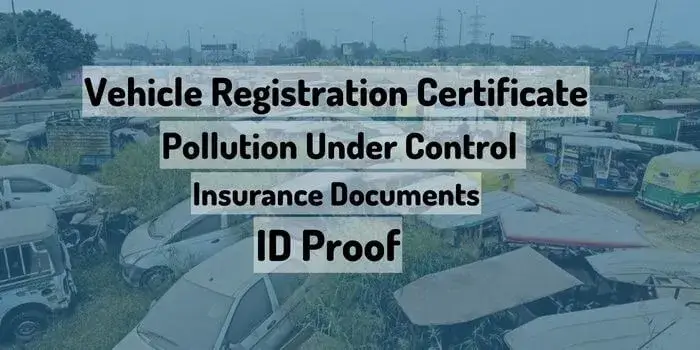
You don’t need valid insurance or a current PUC certificate to scrap a vehicle, since it won’t be driven again. You should, however, clear any pending e-challans and road tax dues, which can hold up deregistration.
Vehicle Scrapping Process Step by Step
How the Scrap Value Is Worked Out
The payment you receive from an RVSF is based mainly on the vehicle’s weight and the current market price of the metal it contains, rather than on its make or how well it runs. Heavier vehicles such as SUVs and commercial vehicles therefore fetch more than small cars and two-wheelers. The amount can also be reduced if major parts such as the engine, battery or wheels are missing. Because metal prices move, it’s worth getting quotes from more than one RVSF before handing over the vehicle. Remember that the scrap value is only part of the benefit: the tax concession on your next vehicle through the Certificate of Deposit is often worth more.
Incentives for Scrapping
The Certificate of Deposit is what unlocks the benefits when you buy a new vehicle. Under the policy, states offer a concession on road tax for a new vehicle registered against a CoD, generally up to 25% for private vehicles and up to 15% for commercial vehicles, and the registration fee for the new vehicle is waived. Many manufacturers have also offered their own discount to buyers with a CoD. Exact percentages, eligibility and how long the CoD stays valid depend on your state, so check before you buy. Keep the certificate safe and give it to the dealer at the time of purchase.
Why Scrapping Properly Matters
If you sell an old vehicle to an informal scrap dealer and it isn’t deregistered, it stays in your name. If its parts or number plates are reused, or the vehicle is used in a crime, the trail leads back to you. Scrapping through an RVSF gives you a legal record that the vehicle no longer exists. It also keeps hazardous materials out of landfills and recovers steel, aluminium and other materials for reuse.
Frequently Asked Questions
Is it mandatory to scrap a private vehicle after 15 years?
No. A private vehicle can stay on the road as long as it passes the fitness test and its RC is renewed. City-level restrictions, such as in Delhi-NCR, can still stop older vehicles from being driven there.
Can I scrap a vehicle that isn’t very old?
Yes. There’s no minimum age for voluntary scrapping, which is common for vehicles badly damaged in an accident or flood.
Do I have to go to the RTO to deregister the vehicle?
No. The RVSF updates the Vahan record for you when it issues the scrapping certificate.
Can I scrap a vehicle registered in another state?
Generally yes. Because RVSFs work through the national Vahan database, they can verify and deregister vehicles from other states, though it’s worth confirming with the facility before you take the vehicle there.
What if the vehicle still has a loan on it?
You’ll need to close the loan or get the financier’s NOC before the RVSF can accept the vehicle.
Related guides: RC Renewal, Vahan Fitness Certificate, E-Vahan Tax and Green Tax.