

Last updated: September 2026 – steps and fees checked against the current Sarathi Parivahan portal and Central Motor Vehicles Rules.
To ride a scooter or motorcycle on Indian roads, you need a two-wheeler driving licence for the right vehicle class. Getting one is a two-stage process: first a learner’s licence, then a permanent licence after a short riding test at the RTO. Most of it can be done online on Sarathi Parivahan, or you can apply in person at your RTO.

Which Two-Wheeler Licence Do You Need?
| Licence class | Vehicles | Minimum age |
|---|---|---|
| MCWOG (motorcycle without gear) | Scooters and gearless bikes, such as Activa-type scooters and most electric scooters that need registration | 18 (16 for gearless up to 50cc, with parental consent) |
| MCWG (motorcycle with gear) | Geared motorcycles | 18 |
Tip: if you might ride both a scooter and a geared bike, apply for both MCWOG and MCWG on the same application. You pay the fee and take the test for each class, but you only need one licence.
Low-speed electric scooters: e-scooters with a top speed of up to 25 km/h and a motor of up to 250W are exempt from registration and do not need a driving licence. Faster e-scooters and e-bikes are treated like any other two-wheeler and need an MCWOG licence and registration.
Documents Required
How To Apply for a Two-Wheeler Licence Online
Stage 1: Get a Learner’s Licence
Apply on Sarathi Parivahan, selecting MCWOG and/or MCWG as the vehicle class, and pass the short test on traffic rules and road signs. In most states you can take this test online from home using Aadhaar. See our full guide: how to apply for a learner’s licence.
Stage 2: Apply for the Permanent Licence

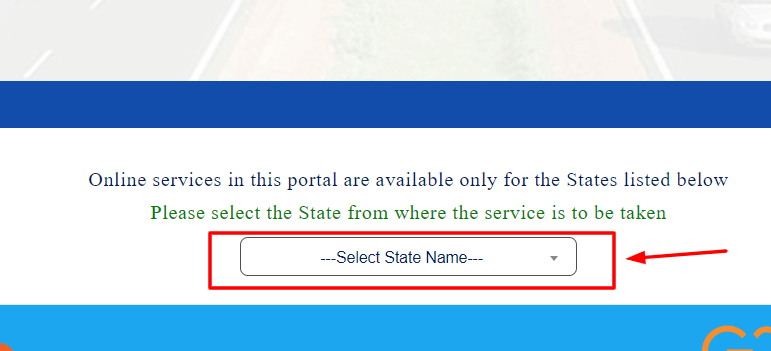
For a more detailed walkthrough of this stage, see our guide on how to apply for a driving licence online.
The Two-Wheeler Riding Test: What To Expect
How To Apply Offline at the RTO

If you prefer, you can apply in person at your nearest RTO. Use Form 2 for a learner’s licence and Form 4 for a permanent driving licence, available at the RTO or on the Parivahan website. Attach copies of your documents, pay the fee at the counter and take the test on the date given. Many RTOs now ask you to fill the form online first, even for in-person applications, so check with your office.
Two-Wheeler Licence Fees
| Service (per class of vehicle) | Fee |
|---|---|
| Learner’s licence | Rs 150 |
| Learner’s licence test | Rs 50 |
| Driving test | Rs 300 |
| Issue of permanent licence | Rs 200 |
For one class, the central fees come to about Rs 700 in total. Some states add small service or smart card charges.
Frequently Asked Questions
Can I ride a scooter with an MCWG licence?
Rules and enforcement vary, so the safest option is to hold the class for the vehicle you ride. If you ride both scooters and geared bikes, apply for both MCWOG and MCWG together.
Do I need a licence for an electric scooter?
Only low-speed e-scooters (up to 25 km/h and 250W) are exempt. All others need registration and an MCWOG licence.
How long is a two-wheeler licence valid?
A private licence is generally valid until you turn 40, or for 20 years from issue, whichever comes first. After that, you need to renew your driving licence.
Can I add a car to my two-wheeler licence later?
Yes. Apply for a learner’s licence for LMV, then add the class to your existing licence after passing the car driving test. The fee for adding a class is Rs 500.
How can I track my application?
On Sarathi, open Application Status and enter your application number and date of birth. See our guide on Parivahan application status. Once issued, you can download your driving licence PDF.